Back from holiday and thinking of dry cleaning your wool sweaters? Don’t bother
Advertisement
Obsessions
Back from vacation and thinking of dry cleaning your wool sweaters? Don't bother
Dry cleaning fluid tin be very caustic on fine wools. Likewise, wool is an animal's hair – and animals don't get dry out cleaned. They get out in the rain.
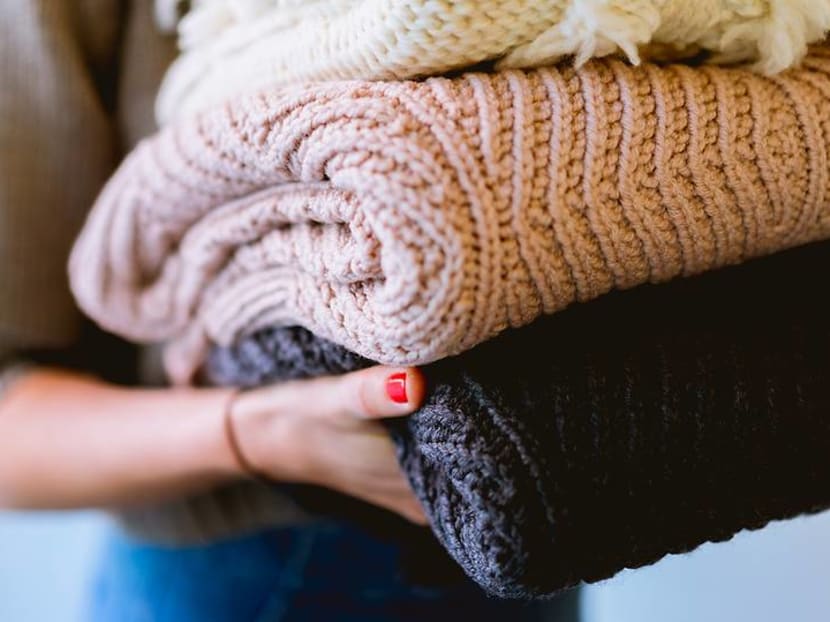
(Photo: Unsplash/Dan Aureate)
At that place'due south a unique thrill to beating the system. Scoffing at the "dry clean only" characterization on your delicate duds may not be the about heady rebellion imaginable, simply it's a scheme that pays off on laundry twenty-four hour period every calendar week. Information technology has for me: Instead of spending my coin at the dry cleaners, I wash most of my silk and wool at dwelling house, right in the bath sink.
Yet sure items actually do need the extra TLC of a dry clean. And so how do y'all know which is which? We asked the experts, including a master tailor, a laundry specialist, and an authority on cleaning fine cloth, to help sort out when to mind the label's warning and when to intermission the rules.
WHICH FABRICS CAN Yous Wash?
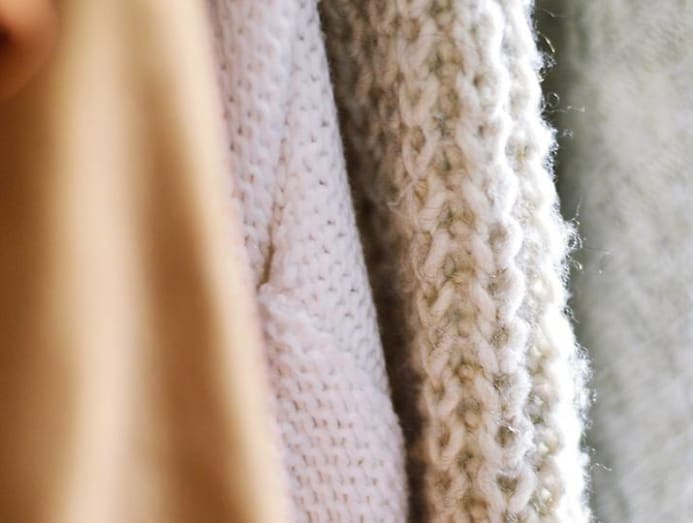
According to Lindsey J. Boyd, co-founder of the specialty laundry brand The Laundress, "The instructions found on intendance tags aren't necessarily the best way to make clean an item." The key to a successful wash lies in the fabric. Well-nigh items fabricated from institute fibres similar cotton and linen, and durable man-made fabrics similar nylon and polyester, have labels that say they're auto washable. If they're too frail for the washer (which may exist the reason dry cleaning is suggested), our experts say these fabrics are generally safe to hand launder.
"Items made from wool, silk, linen, cotton wool, and other natural fibres usually can be hand washed," said Gerri Young, owner and founder of Allo Laverie, a cleaner specialising in fine linen. Although these and other animal fibres – such as cashmere – sometimes "require" dry out cleaning per their label, they usually tolerate water very well. Martin Greenfield, possessor of custom tailor shop Martin Greenfield Clothiers, told us wool rarely needs dry cleaning. "Wool is an animal'southward hair – they don't get dry out cleaned. They get out in the pelting."
He recommends that his clients spot-make clean and steam-printing their suits, which restores the natural stop. "We find the dry cleaning fluid to be very caustic on fine wools, and then we try to avoid it as much as possible," he explained.
Dry cleaning certain delicate fabrics may also shorten their life span, causing them to lose their lustre and contributing to wear and tear. "The clothing gets tossed into a machine with a spin cycle – it's pretty rough on hand-tailored clothing," Greenfield said.
Manus washing is simple and cheap – you probable have the supplies on hand. For the best results, utilize a detergent for delicates (many all-purpose cleaners can be crude on wool and silk). Nosotros like no-rinse formulas like those we recommend in our guide to the best detergent for hand washing. Just fill up your basin with tepid (never hot!) h2o and your detergent, and soak for fifteen minutes. And so carefully squeeze out the h2o and air dry out.
"Never put silk in the dryer!" said Cora Harrington, founder and editor of The Lingerie Addict. Similarly, go on wool away from hot water and agitation unless you desire to make felt.
It'south frequently easiest to hang up silk blouses and dresses in the shower, where they can drip dry. Moisture sweaters must be laid flat and "blocked" – that is, shaped so they dry correctly. It might be worthwhile to invest in a drying rack (similar this i from OXO), which helps air circulate, only yous tin as well use a bath towel. Hand-washed clothing, especially silk, often dries with some wrinkles or crunchiness, simply a once-over with a steamer will quickly bring back its suppleness and lustre. We accept several recommendations in our guide to the all-time article of clothing steamers.
"The instructions found on intendance tags aren't necessarily the all-time way to clean an item." – Lindsey J. Boyd
HOW TO TEST YOUR Textile
It's always a bit of a gamble when you go off-characterization and ignore a manufacturer's communication. "Generally certain things should be able to withstand hand washing," Young said. "Only that doesn't ever translate into everything going well."
To lower the gamble, the experts suggest testing your textile to bank check for warping and color transfer. "Find an inconspicuous area on the garment, like the side seam or hem, and dip it in h2o," Boyd told us. "If you lot notice whatsoever sort of distortion, we don't recommend washing."
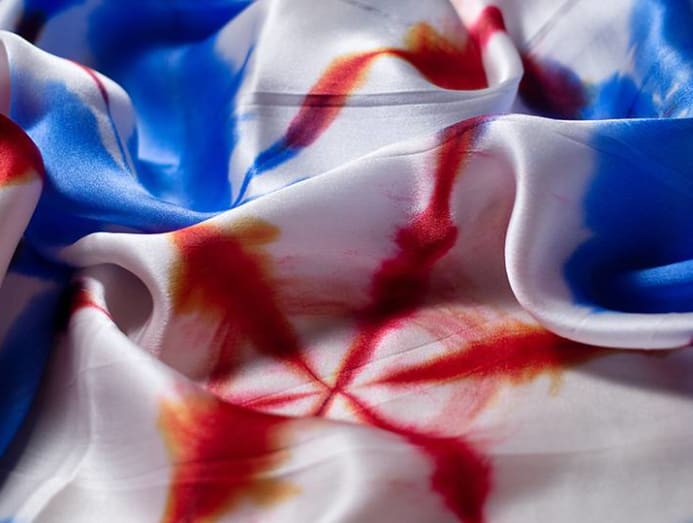
Immature said she used a similar method to check for dye transfer: "Identify a white paper towel on each side of the dampened surface area and press downward. If any colour is seen on the paper towel, the item isn't colourfast." And, she said, the more colourful your garment, the bigger the take a chance. "When it comes to silk, night and brilliantly-coloured pieces and patterns are best dry cleaned." Patterns with contrasting colours are especially susceptible to damage, as any leaking dark dye tin easily stain the lighter areas.
Another clue? The toll. As Young explained, cheaper, low-quality silks are often less stable than the expensive stuff, so they don't do as well with mitt washing. "A good examination for silk items is to gently bunch it into a brawl with your hands, and so release. If the fabric feels luxurious and liquid, it likely volition do fine with hand washing. If it creases and wrinkles badly, send it to the dry cleaners."
"Items fabricated from wool, silk, linen, cotton, and other natural fibres usually tin can be hand washed." – Gerri Immature
WHEN MUST YOU Dry Clean?
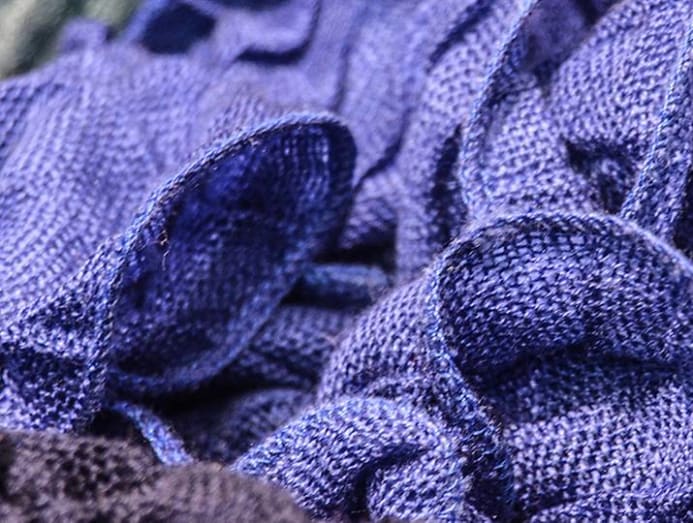
"There are some fabrics that react poorly to water like viscose, a type of rayon," Boyd said. "Although many rayons tin can be washed, viscose has been known to shrink to farthermost proportions." Similar fabrics in the rayon family include lyocell (known past the make name Tencel), modal, and cupro (often branded equally Bemberg), although these are commonly washable. "The important takeaway well-nigh rayon is to follow the care characterization," Immature said.
Remember, if your item has a alloy of fabrics (or two unlike fabrics, every bit in a glaze with a lining), always clean according to the more finicky one. You may be able to hand wash silk, simply since viscose commonly requires dry cleaning, you lot shouldn't wash a silk-viscose alloy at abode.
No matter the fabric content, when the label for an particular with a decorative end (such as moire or pleats) or delicate beading recommends dry cleaning, don't ignore it – those details are very easy to ruin. If you have something particularly sentimental or delicate, playing information technology safe may be the better selection. "Generally, it's ofttimes fine to mitt wash silk. For very special pieces, you may still want to opt for a dry cleaner," said Harrington.
For peculiarly filthy or stained items, phone call the professionals. "If somebody spills red wine all over your arrange then yes, you'd need to have it dry cleaned," Greenfield said. "Just but when it'southward absolutely necessary."
"Wool is an animal'due south hair – they don't go dry cleaned. They go out in the rain." – Martin Greenfield
By Jennifer Hunter @ The New York Times
READ> How to dress to flatter your body when you're not stick thin

Contempo Searches
Trending Topics
Source: https://cnalifestyle.channelnewsasia.com/obsessions/dry-cleaning-wool-clothing-177056
0 Response to "Back from holiday and thinking of dry cleaning your wool sweaters? Don’t bother"
Post a Comment