what size hose do i need to bleed my clutch reservoir on a 1998 suzuki intruder
How to Bleed a Clutch

A clutch master cylinder contains a reservoir with restriction fluid. Information technology is connected to the clutch slave cylinder through hoses. When you button the clutch pedal, brake fluid flows from the clutch master cylinder to the slave cylinder, applying the pressure necessary to move (appoint) the clutch and this in turn changes the gears on your manual transmission.
A hydraulic clutch organization offers greater ease and comfort while pressing the clutch pedal to modify gears than opposed to a cable activated system. Most hydraulic clutch systems have their own dedicated master cylinder; however, some vehicles use one master cylinder for both the restriction system and the clutch organisation.
Whatsoever fourth dimension yous open the hydraulic system you will demand to bleed it to remove air pockets. Air pockets forbid the hydraulic organisation from functioning properly. You may need to bleed the slave cylinder as part of routine maintenance procedures, such as replacing vehicle fluids or considering you need to replace the slave cylinder. For the remainder of this article, nosotros will presume that the hydraulic clutch arrangement has its own defended master cylinder.
Use the following steps to locate the slave cylinder and open the bleeder valve. Here is how to bleed a clutch slave cylinder:
How to bleed a clutch
-
Get together the right materials - Brake bleeder wrench or line wrench - 8mm or 10mm are the nigh common sizes, Brake fluid - DOT (Department of Transportation) 3 or higher ( refer to possessor's manual for right type of fluid), Clear aquarium tubing - one to two feet, Bleed pan, Empty h2o canteen, Floor jack, Friend/helper (to assistance in transmission haemorrhage), Gloves, Hand operated vacuum bleeder (Optional), Rags or paper towels for cleanup, Safety spectacles, Safety jack stand x ii, Suction tool or a big turkey baster
-
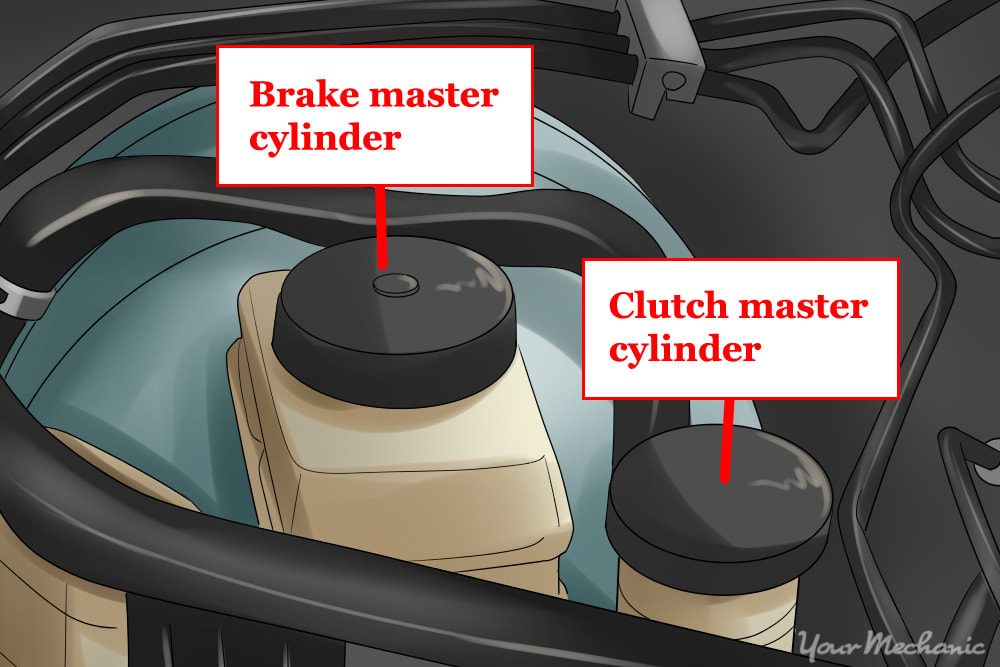
Locate the brake primary cylinder - Open the hood and locate the brake chief cylinder on the commuter's side of the vehicle, close to the firewall.
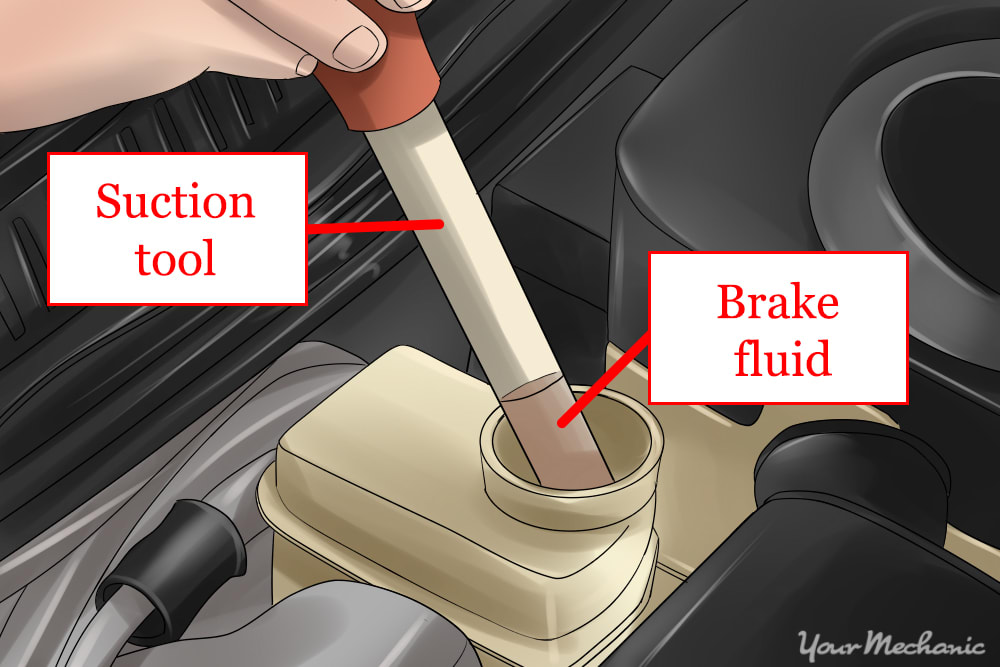
Tip: If y'all are performing routine maintenance, begin by opening the encompass to the master cylinder reservoir and use a turkey baster to suck out the former brake fluid before replacing starting time and then replace it with fresh fluid.
-
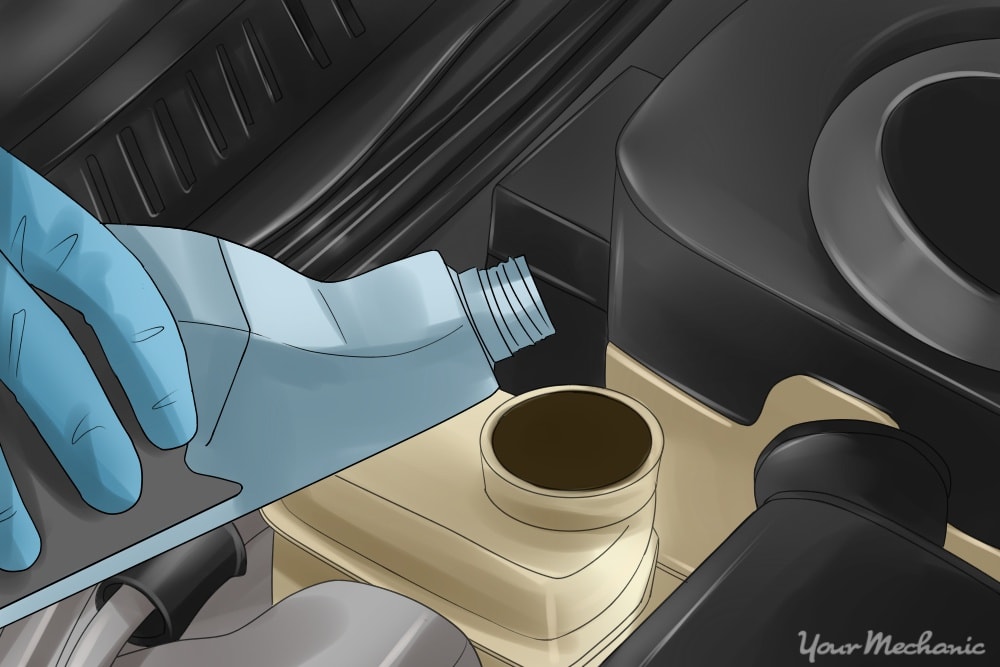
Fill up the clutch master cylinder - Check your owner's manual to observe the brake fluid specific to your vehicle. Pour the fluid into the clutch main cylinder.
-
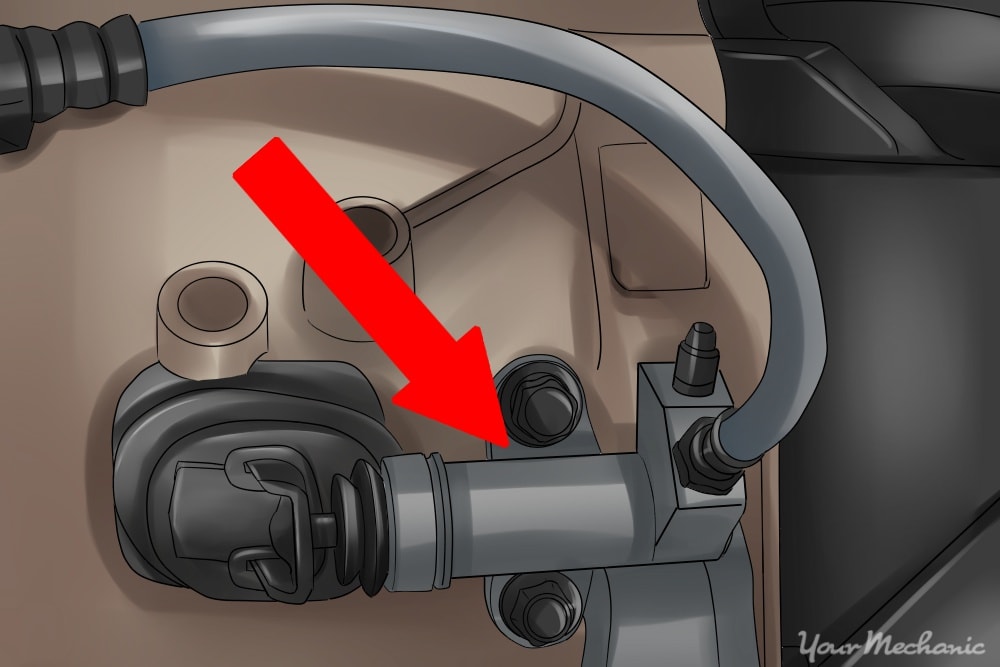
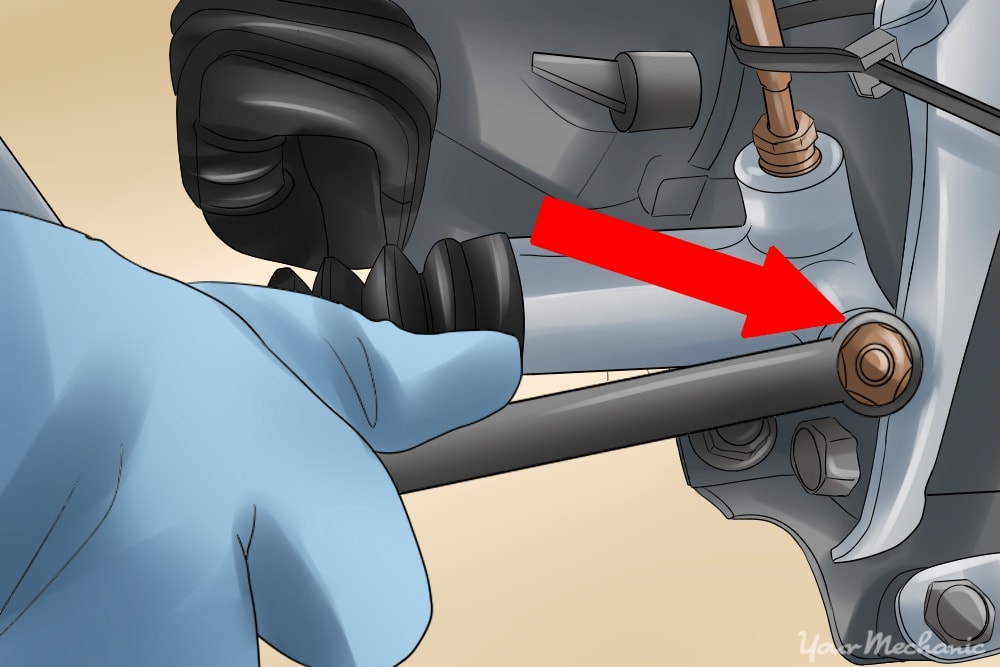
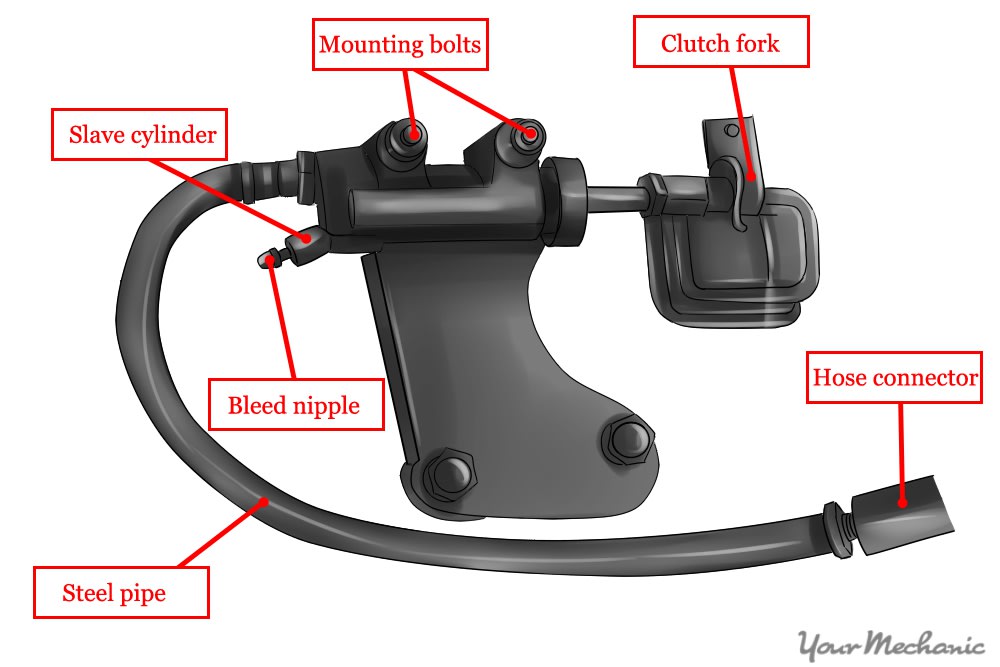
Locate the slave cylinder - On nigh vehicles, information technology will be bolted externally on the transmission. In others the slave cylinder is within the transmission just the haemorrhage valve tin be easily accessed on the outside. The quickest way to locate the slave cylinder is to follow the hydraulic line from the clutch master cylinder.
-
Verify the location of the bleeding valve or bleed nipple - In some situations, it may be necessary to utilize a floor jack and safety jack stands to elevator off the footing and secure it in social club to gain admission to the slave cylinder.
-
Bleed the slave cylinder - Use gravity to bleed the slave cylinder.
-
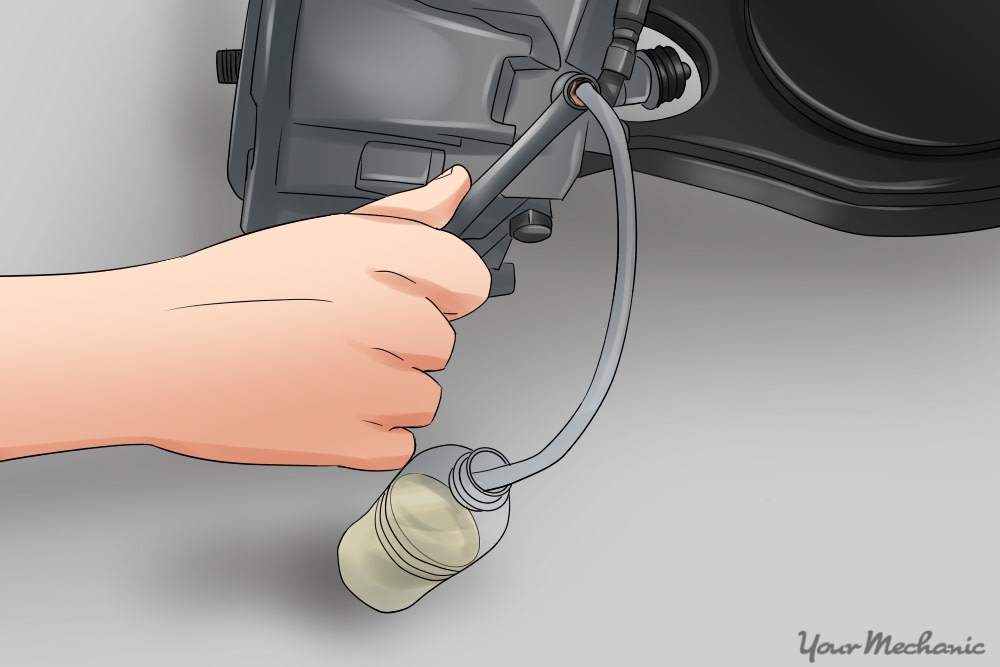
Open the bleeder valve - Utilise a line wrench to open the bleeder valve to the slave cylinder. Place a drain pan under the slave cylinder to catch the brake fluid.
-
Bleed the brake fluid - Get out the bleeder open and allow gravity to bleed the slave cylinder for one to 3 minutes.
Warning: While gravity bleeding, go along an centre on the brake fluid level in the master cylinder. Information technology is important to forbid the restriction fluid from becoming too depression every bit it will crusade air to exist sucked dorsum into the arrangement.
Tip: Yous can use your line wrench and tap on the slave cylinder to move any more air pockets that may be trapped inside.
-
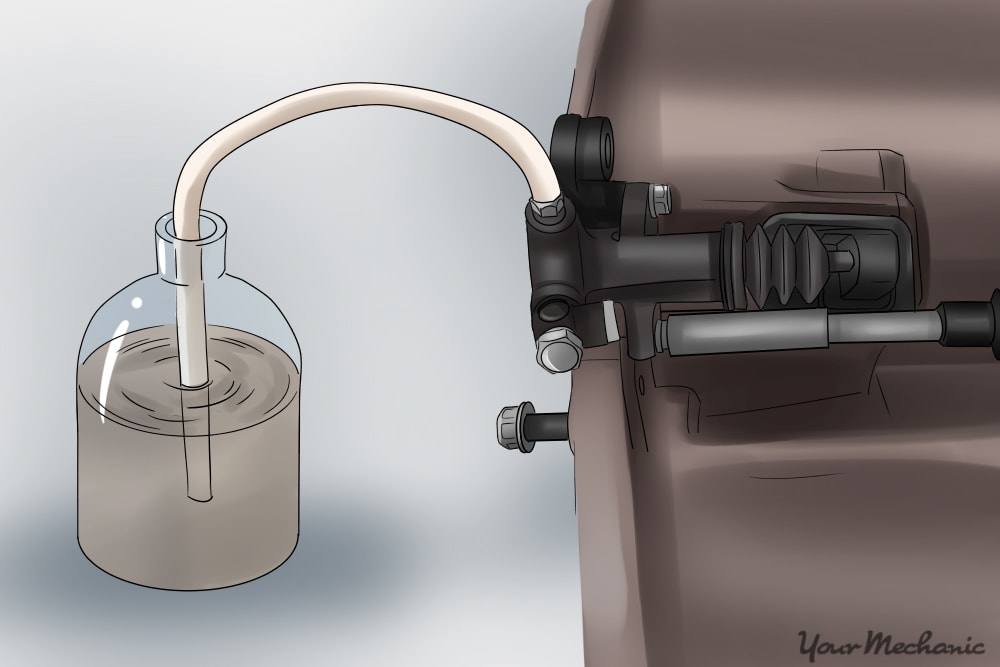
Attach tubing to the bleeder nipple - Close the bleeder valve on the slave cylinder and attach a piece of aquarium tubing to the bleeder nipple. Place the other end in an empty water canteen and tiptop off the master cylinder with brake fluid.
-
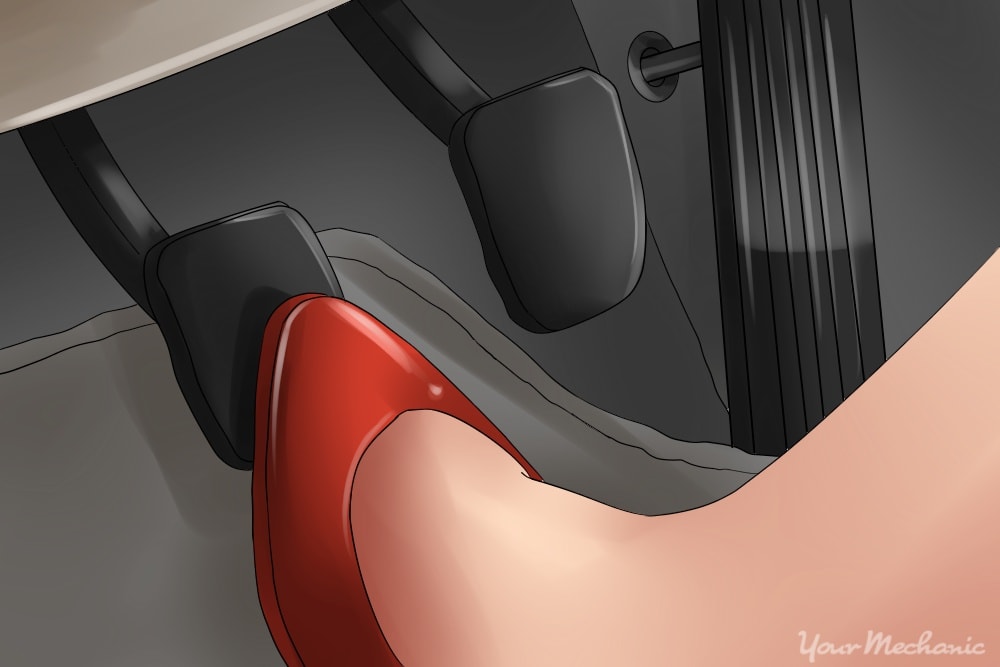
Pump the clutch pedal - If you have a friend with you, have them make it the driver'southward seat and pump the clutch pedal x to 15 times to build pressure. And so have them press and hold the clutch pedal completely down.
-
Test the bleeder - While the clutch pedal is held to the floor, utilise your line wrench and open the bleeder. Observe the air bubbles and restriction fluid exiting the slave cylinder. When the flow of brake fluid stops, close the bleeder and take your helper release the clutch pedal.
-
Repeat steps as needed - Echo steps 4 and 5 until only the brake fluid comes out of the bleeder on the slave cylinder.
Warning: Never release the clutch pedal with the bleeder valve open up. Doing so will suck air into the system.
Tip: While starting to bleed the clutch, it is common for the clutch pedal to stay confronting the floor even when released. Do non panic, but use your human foot or attain down and pop it back up and continue with the bleeding procedure. As more than air is bled out and hydraulic pressure builds, the clutch pedal volition come up on its own.
Alert: While bleeding the slave cylinder, never let the fluid level in the clutch principal cylinder become besides depression or you will suck air into the hydraulic system and the process will have to be started over.
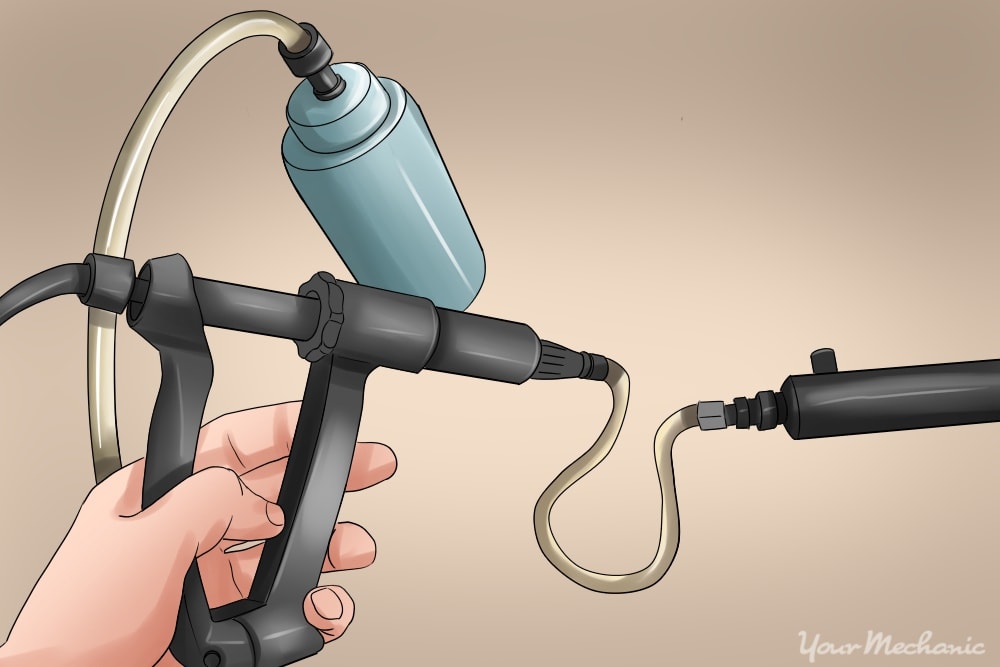
Use a hand-operated vacuum pump to bleed a clutch
-
Open the bleeder valve - Utilise a line wrench to open the bleeder valve to the slave cylinder.
-
Attach the vacuum pump - If you lot do not have a friend handy, or if you choose to employ a hand operated vacuum pump, adhere the vacuum pump to the slave cylinder.
Tip: Refer to the vacuum pump manual to detect out how to set up and operate your particular vacuum pump.
-
Remove air bubbles from the slave cylinder - Open the bleeder valve and use the vacuum pump to suck the air bubbles from the slave cylinder. Call up to keep an eye on the fluid level while y'all are doing this.
-
Close the bleeder valve - In one case you see a steady stream of brake fluid without air bubbles, you lot can close the bleeder valve.
-
Test the clutch - After the slave cylinder has been bled, get-go the vehicle and exam the clutch for proper function and operation.
Tip: If y'all raised the vehicle off the ground for the bleeding procedure, utilize a flooring jack to remove the safety jack stands and lower the vehicle to the footing earlier you test the clutch. If you feel a alter in the style the clutch pedal feels when stepping on it, if the clutch pedal stays down, or if yous notice leaked brake fluid inside your automobile, you should have a mechanic audit the clutch master cylinder and hose and replace them if needed. If air pockets are present in the fluid or hydraulic system, your vehicle'due south brake or clutch pedal will feel spongy and may need to be inspected past a certified mechanic.
Congratulations! You lot have successfully bled your slave cylinder by yourself. Performing routine maintenance processes similar this will not simply save y'all time and money, but too give you conviction and pride that y'all have been able to tackle this yourself.
If you experience a change in the way the clutch pedal feels when stepping on it, or if the clutch pedal stays downwardly, or if you find leaked brake fluid inside your car, you lot should have a mechanic inspect the clutch chief cylinder and replace it if needed. If air pockets are present in the fluid or hydraulic system, your vehicle's brake or clutch pedal will experience spongy and may need to exist inspected by a certified mechanic.
The statements expressed above are only for informational purposes and should be independently verified. Delight see our terms of service for more details
Demand Aid With Your Car?
Our certified mobile mechanics make house calls in over 2,000 U.Due south. cities. Fast, costless online quotes for your car repair.
GET A QUOTE
Related articles
How to Dispose of Brake Fluid
Restriction fluid is potentially toxic and always flammable. Safely dispose of restriction fluid at domicile, a recycling center, or waste material treatment facility.
Related questions
Shift lock push releases stuck gear, but re-sticks
Hello. It sounds like you may just take a bad restriction switch (https://www.yourmechanic.com/commodity/symptoms-of-a-bad-or-failing-brake-calorie-free-switch) on the brake pedal. Both the brake lights and the shift lock utilize this switch. I usually remove the switch and test it with an ohm meter,...
Brakes locking up
You need to recheck the brake light switch (https://www.yourmechanic.com/services/brake-light-switch-replacement) installation. If information technology is adjusted incorrectly it could partly hold the brakes engaged and would lock upward the brakes or keep them partly engaged. The calorie-free switch should not be bottomed...
Front Tires getting hot & theres a burnt smell
Hello. Virtually of the fourth dimension if yous have a caliper or ii that are hanging upward it is because of a bad principal cylinder (https://world wide web.yourmechanic.com/services/brake-master-cylinder-replacement). The seals in the master cylinder bind and keep the master cylinder from releasing. Almost...
Browse other content
Source: https://www.yourmechanic.com/article/how-to-bleed-a-slave-cylinder-by-rocco-lovetere
0 Response to "what size hose do i need to bleed my clutch reservoir on a 1998 suzuki intruder"
Post a Comment